
Dry Eye Treatment in Shelton & Waterbury, CT
Our dry eye treatment helps relieve your discomfort and improves your quality of life.
Dry, burning, gritty, or watery eyes can make screens, reading, driving, and contact lens wear uncomfortable.
At Vision Center LTD and Waterbury Eye Associates, we use advanced diagnostic technology to identify what is affecting your tear film and recommend care tailored to your needs.
Personalized dry eye diagnosis and treatment
Dry eye can occur when your eyes do not produce enough tears or when tears evaporate too quickly. Factors such as screen use, contact lenses, medications, age, hormonal changes, and environmental conditions can contribute.
Meibomian gland dysfunction (MGD) is a common cause. These eyelid glands produce the oil layer that helps prevent tears from evaporating too quickly. When they are blocked or not functioning well, irritation and dryness can follow.
A thorough evaluation helps us identify the factors behind your symptoms and recommend the right treatment plan.
Advanced Dry Eye Diagnostic Technology
Our diagnostic tools help us assess your tear film and eyelid health, and then recommend treatment based on what we find.
Tear osmolarity testing
This quick test measures the concentration of your tears. High or inconsistent readings can be associated with dry eye and tear-film instability.
Comprehensive eye health evaluation
During a comprehensive eye exam, we’ll review your symptoms, health history, medications, lifestyle, and eye-surface health to identify other factors that may affect your comfort.
Meibography
Meibography provides images of the meibomian glands, which produce the oil layer of your tears. It can help identify whether meibomian gland dysfunction may be contributing to your symptoms.
Dry eye treatment options
Your treatment plan may include at-home care, prescription therapy, in-office treatment, or a combination of approaches. We will explain the options that fit your symptoms, examination findings, and daily routine.

At-home care and eyelid hygiene
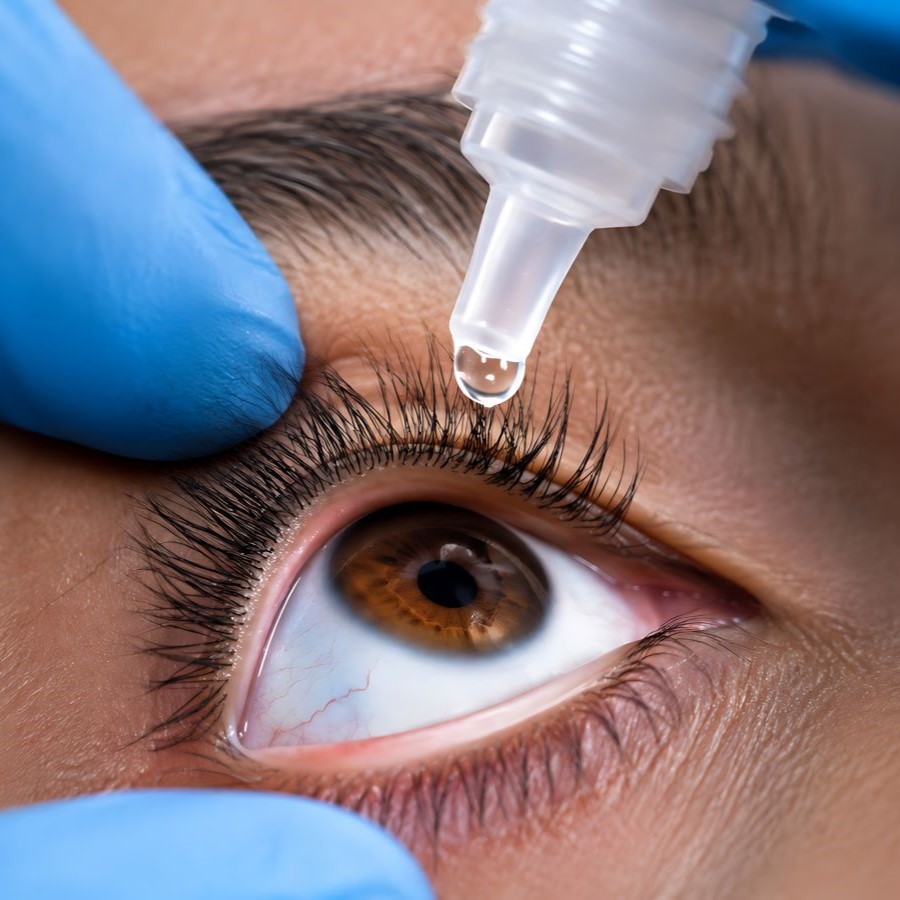
For many patients, dry eye care begins with simple steps that support healthier tears and eyelids. Depending on your needs, we may recommend warm compresses, eyelid hygiene, preservative-free artificial tears, changes to your contact lens routine, or lifestyle adjustments.
Prescription treatments and tear conservation
Some patients may benefit from prescription eye drops, medications, nutritional recommendations, or tear conservation options such as punctal plugs. These treatments may be used to support the tear film, reduce inflammation, or help keep tears on the eye longer.

TearCare®
For eligible adults with evaporative dry eye related to MGD, TearCare® may be recommended. This in-office treatment combines controlled eyelid heating with manual gland expression to help soften thickened oils and clear blocked meibomian glands.
Equinox® Light Therapy
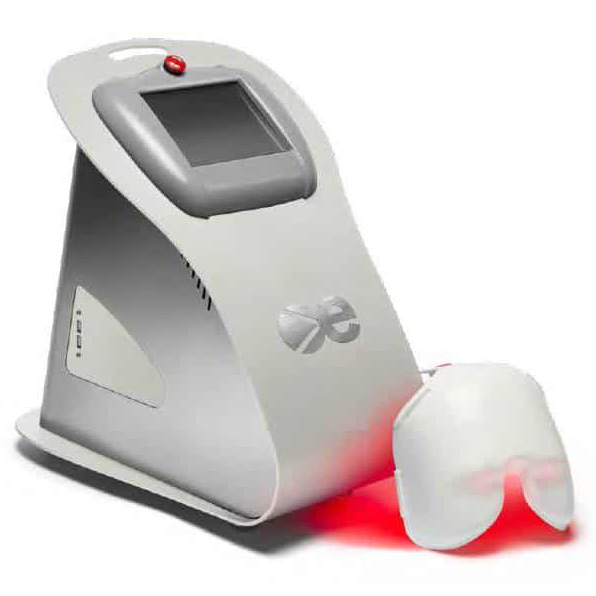
Equinox® light therapy is a noninvasive, light-based treatment that may be included in a personalized plan for dry eye associated with eyelid and meibomian gland dysfunction. Treatment sessions take about 15 minutes, with no downtime afterward.

Custom scleral contact lenses
For select patients with significant dry eye, ocular surface disease, or difficulty wearing standard contact lenses, custom scleral lenses can help protect and hydrate the eye’s surface. These specialty lenses create a fluid reservoir between the lens and the cornea to support comfort and stable vision.
Frequently asked questions about dry eye
When should I see an eye doctor for dry eye?
Schedule an appointment if dryness, burning, redness, tearing, fluctuating vision, light sensitivity, or a gritty feeling is frequent, recurring, or affecting daily activities. You should also be evaluated if dry eye makes contact lenses uncomfortable or if over-the-counter drops are not providing adequate relief.
A persistent feeling that something is stuck in your eye can occur when dryness irritates the eye’s surface, although an eye doctor should rule out a foreign object, scratch, infection, or other cause.
Can dry eye cause watery eyes?
Yes. Eye irritation from dry eye can trigger reflex tearing. Although the eyes may water, these tears often do not have the right balance to provide lasting moisture and comfort.
Other common signs of dry eye include burning, stinging, grittiness, redness, fluctuating vision, eye fatigue, and discomfort with contact lenses.
Can dry eye cause light sensitivity?
Yes. An unstable tear film and irritation on the eye’s surface can make normal indoor or outdoor light feel harsh or uncomfortable. Dry eye and light sensitivity can occur together, particularly when the eye’s surface is irritated or the tear film is not providing consistent protection.
Persistent or severe light sensitivity should be evaluated, as it can also be associated with conditions other than dry eye.