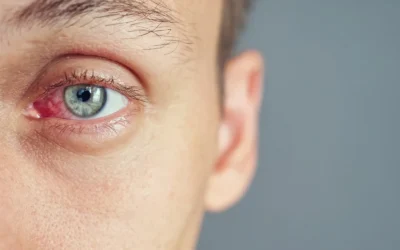
Burning, gritty eyes and a sensitivity to light might seem like separate problems, but they often share the same underlying cause. Dry eye disease affects the tear film in ways that can make light feel harsh and uncomfortable. In this blog, we discuss the connection between these two eye issues, what symptoms to pay attention to, and how you can find effective relief.
What is dry eye?
Dry eye develops when the eyes do not produce enough tears or when tears do not maintain a stable, healthy tear film. A healthy tear film keeps the surface of the eye smooth, clear, and comfortable.
When that balance breaks down, the eyes lose protection and lubrication, which leads to irritation and visual disruption.
Common dry eye symptoms include:
- Burning or stinging sensations
- A scratchy or gritty feeling
- Blurry or fluctuating vision
- Excess tearing
- Eye fatigue, especially during screen use
- Discomfort with contact lenses
What is light sensitivity?
Light sensitivity, also called photophobia, is discomfort or pain in response to light exposure. This may happen indoors under fluorescent lighting or outdoors in bright sunlight.
People with light sensitivity may notice:
- Squinting in normal lighting conditions
- Eye discomfort in bright rooms
- Headaches triggered by light exposure
- Difficulty adjusting between dark and bright environments
- Needing sunglasses more often, even indoors in some cases
Light sensitivity can range from mild annoyance to significant discomfort that affects daily activities.
The link between dry eye and light sensitivity
Dry eye and light sensitivity often go hand in hand, and the tear film is at the center of that connection. A healthy tear film helps light enter the eye smoothly and evenly. When the tear film becomes unstable, light scatters across the surface instead of focusing properly. That scattering is what makes normal lighting feel harsh or uncomfortable.
Several factors drive this connection:
- An irregular tear film causes uneven light refraction
- Inflammation on the eye’s surface increases nerve sensitivity
- Dry spots on the cornea create areas of increased light scatter
- Reduced lubrication increases friction with each blink
These changes make normal lighting feel more intense or uncomfortable.
Common triggers that worsen both symptoms
Certain environments and habits can worsen both dry eye and light sensitivity at the same time.
Common triggers include:
- Prolonged screen use without breaks
- Dry indoor air from heating or air conditioning
- Windy outdoor conditions
- Contact lens overuse or poor fit
- Allergies and environmental irritants
- Aging-related changes in tear production
Treatment options that may help
Treatment typically focuses on improving tear quality, reducing inflammation, and protecting the ocular surface. Common approaches include:
- Artificial tears or lubricating drops
- Prescription anti-inflammatory eye drops
- Warm compresses and lid hygiene routines
- In-office dry eye therapies like TearCare® treatment
- Omega-3 supplementation when appropriate
- Environmental adjustments, such as humidifiers
For light sensitivity specifically, additional strategies may help:
- Specialty tinted lenses or sunglasses
- Blue light management for screen use
- Treatment of underlying dry eye disease
- Managing migraines or other contributing conditions
Most patients benefit from a combination of approaches rather than a single solution.
When to schedule an eye exam
Dry eye and light sensitivity can be signs of an underlying condition that needs targeted care. You should schedule a comprehensive eye exam if you experience:
- Persistent discomfort that isn’t improving
- Increasing sensitivity to indoor lighting
- Blurry or fluctuating vision
- Difficulty using screens or reading
- Frequent reliance on artificial tears
Addressing symptoms early often prevents them from worsening over time.
Improving comfort and visual clarity
Dry eye and light sensitivity can be frustrating because they affect everyday tasks like reading, driving, and screen use. Addressing both symptoms together often leads to better long-term comfort than treating them separately.
At Vision Center LTD in Shelton and Waterbury Eye Associates, our experienced eye care team provides comprehensive eye exams focused on diagnosing and managing dry eye disease and related light sensitivity. Treatment is most effective when it addresses the root cause, not just the discomfort.