Snow-covered landscapes are stunning, but they can also harm your eyes. Snow reflects sunlight and increases UV exposure, which can lead to snow blindness. This blog shares tips for protecting your eyes and avoiding this issue this winter.
If you experience severe eye pain or vision problems, it’s important to see our eye doctors in Shelton or Waterbury immediately. Don’t wait to seek the professional care you need.
What is snow blindness?
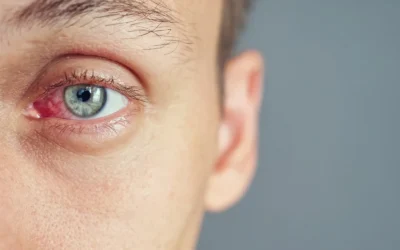
Snow blindness is essentially a sunburn of the cornea caused by intense UV exposure reflected off snow or ice. Symptoms can include:
- Pain or a gritty feeling in the eyes
- Redness and watery eyes
- Blurred vision or temporary vision loss
- Sensitivity to light
This condition can happen quickly, especially during activities like skiing, snowboarding, or hiking in snowy areas. Understanding the risks helps you prevent it from happening in the first place.
Tips to protect your eyes from snow blindness
Wear high-quality sunglasses or glasses
Choose sunglasses with 100% UV protection or wraparound styles that block sunlight from multiple angles. Polarized lenses can also reduce glare from snow, making your winter activities safer and more comfortable. Prescription glasses with UV protection are an option for those who need vision correction.
Use protective eyewear for winter sports
Goggles designed for skiing or snowboarding provide extra coverage, reduce glare, and protect your eyes from wind and debris. Look for lenses labeled with UV protection and anti-fog coatings for clarity and comfort.
Check your eyes with a comprehensive eye exam
Before hitting the slopes, a comprehensive eye exam ensures your prescription is up-to-date and identifies any conditions that might increase your risk of discomfort or injury. Eye doctors can recommend protective eyewear that fits your vision needs perfectly.
Take breaks and avoid glare
Even with proper protection, prolonged exposure to bright snow can strain your eyes. Take breaks in shaded areas, wear a hat or helmet with a visor, and try to avoid the midday sun when UV exposure is strongest.
Know when to seek emergency eye care
If you experience severe pain, blurred vision, swelling, or persistent redness after being outdoors—or if snow blindness symptoms last more than 24 to 48 hours—seek emergency eye care right away. Getting prompt treatment can prevent long-term issues and help your eyes recover faster.
Winter eye care habits for healthy vision
Healthy, comfortable eyes are easier to maintain when you follow these tips:
- Keep your eyes hydrated with lubricating eye drops if they feel dry or irritated
- Wear sunglasses even on cloudy days, as UV rays can penetrate clouds
- Educate children about the risks of snow glare and make sure they wear proper eyewear
- Schedule regular visits with your eye doctor to maintain healthy eyes year-round
Enjoy winter safely and clearly
Protecting your eyes from snow blindness is easy with the right knowledge, eyewear, and care. From sunglasses to winter sports goggles, and from regular comprehensive eye exams to knowing when to seek emergency eye care, you can keep your eyes healthy while enjoying all the winter activities you love.
Schedule your eye exam today at Vision Center LTD or Waterbury Eye Associates and make sure your eyes are prepared for snow and sun.